
Advertisement
Click to download now, finish the installation quickly, and directly unlock the "all-round experience"
Advertisement
Screenshots
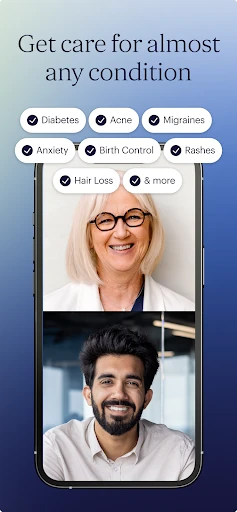
Click to download now, finish the installation quickly, and directly unlock the "all-round experience"
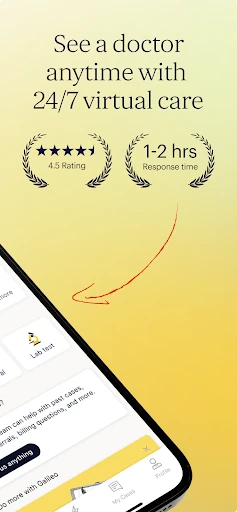
Galileo: Medical Care emerges as a sophisticated contender in the telehealth sector, positioning itself not merely as a digital clinic, but as a comprehensive virtual medical home. Within the competitive Medical landscape, Galileo distinguishes itself by bridging the gap between transactional urgent care and longitudinal primary care. It addresses the critical pain points of traditional healthcare—specifically long wait times and opaque pricing—by offering a 24/7 clinical team capable of managing complex chronic conditions alongside routine issues. Its authoritative approach to remote medicine suggests a shift toward a more patient-centric, "mobile-first" healthcare model.
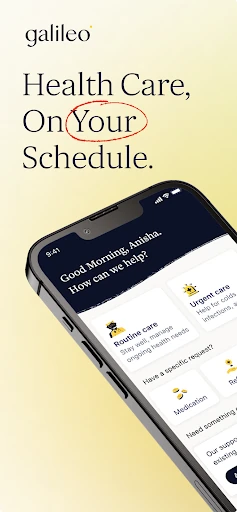
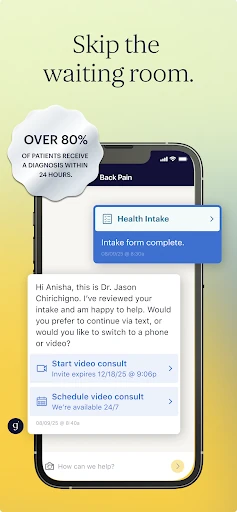
The UI of Galileo: Medical Care reflects a clean, high-trust aesthetic essential for the Medical category. The UX is optimized for clarity and speed, recognizing that users often access the app while feeling unwell or stressed. Navigation is intuitive, guiding users through symptom reporting and appointment booking with minimal friction. The design language avoids the clutter often found in patient portals, instead opting for a streamlined, conversational interface that makes interacting with doctors feel as natural as modern messaging apps. This "low-friction" entry point is vital for maintaining patient compliance and engagement.
To further solidify its market lead, Galileo should consider deeper integration with wearable health data (such as Google Fit or specialized biometric devices) to provide clinicians with real-time vitals. Additionally, incorporating a dedicated pharmacy price-comparison tool within the app could further the mission of cost transparency for patients paying out-of-pocket for medications.
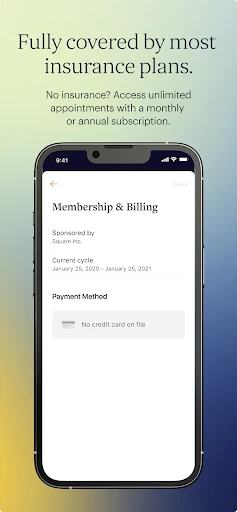
Galileo: Medical Care is an ideal solution for busy professionals, individuals with chronic conditions seeking consistent monitoring, and those without traditional health insurance who require affordable care. It successfully transforms the smartphone into a primary care hub. Our recommendation: It is a must-have tool for anyone looking to bypass the inefficiencies of the traditional "waiting room" model and take proactive control of their health via a modern, reliable platform.