Compare rideshares & taxis
Bellhop Technologies Inc
Downloads
500,000+
Version
Latest
Advertisement
Click to download now, finish the installation quickly, and directly unlock the "all-round experience"
Advertisement
Screenshots




Click to download now, finish the installation quickly, and directly unlock the "all-round experience"
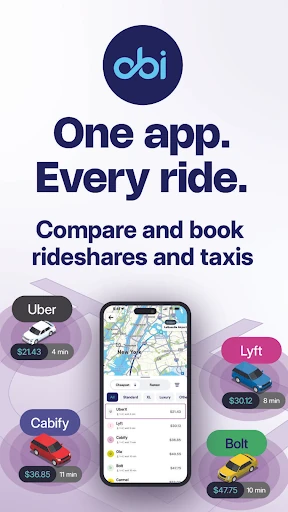
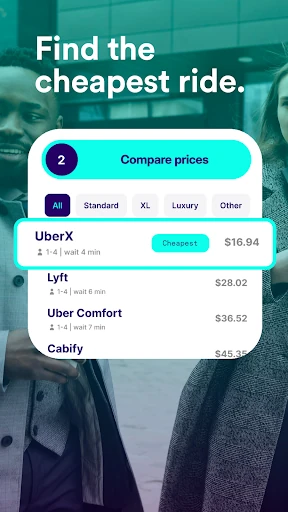
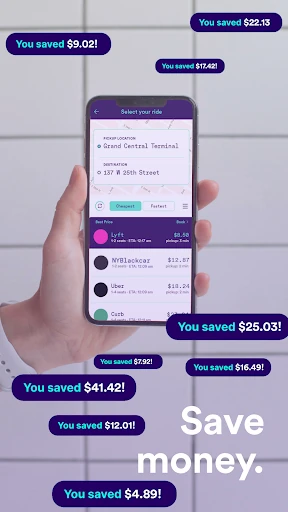
In the increasingly fragmented urban mobility market, Obi (Compare rideshares & taxis) emerges as a critical utility for the modern traveler. Positioned as a powerful meta-search engine within the Travel & Local category, the app addresses the "platform tax" by aggregating real-time data from major players like Uber, Lyft, and Curb. By providing a transparent layer of price discovery, Obi shifts the power back to the consumer, offering a sophisticated solution to price surges and availability gaps that often plague single-app users. Its global reach across 175 countries makes it a high-value asset for international travelers who frequently navigate unfamiliar transportation landscapes.
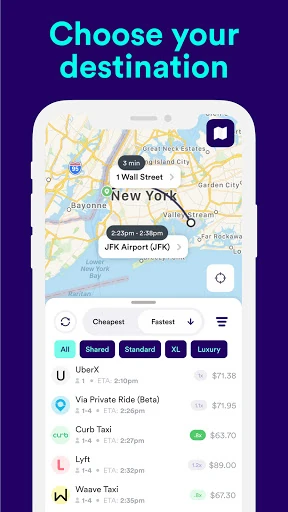
The interface of Obi is built for speed and utility, which is paramount in the Travel & Local sector where users are often making decisions on the go. The UI prioritizes a "search-first" architecture, mirroring the efficiency of airline aggregators. Results are presented in a clean, comparative list format that allows for instant scanning of price points and vehicle types. While the design is utilitarian, its focus on reducing cognitive load during the high-stress moments of booking a ride—such as at an airport or during peak hours—aligns perfectly with modern UX best practices for utility apps.
To further solidify its market position, Obi could benefit from integrating predictive analytics that suggest the "best time to book" based on historical surge patterns in specific cities. Additionally, deeper integration of public transit alternatives (buses and trains) would transform the app from a rideshare aggregator into a comprehensive "Mobility as a Service" (MaaS) powerhouse. Enhanced filtering for specific vehicle requirements—such as car seats or wheelchair accessibility—across all providers would also improve inclusivity.
Obi is an essential tool for two specific archetypes: the daily urban commuter looking to optimize their monthly spend and the frequent traveler who requires reliable transportation in diverse global markets. By successfully democratizing access to ride data, it has become a "must-have" utility. We highly recommend Obi for any user who books more than two rideshares per month; the time and money saved quickly outweigh the minor inconvenience of an extra step in the booking process.