Advertisement
Click to download now, finish the installation quickly, and directly unlock the "all-round experience"
Advertisement
Screenshots
Click to download now, finish the installation quickly, and directly unlock the "all-round experience"
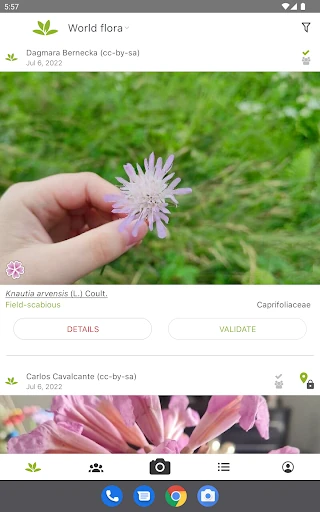
PlantNet Plant Identification stands as a cornerstone in the digital botanical space, effectively bridging the gap between casual nature exploration and rigorous citizen science. Within the Education landscape, it distinguishes itself by moving beyond simple image recognition to foster a global community of contributors whose data assists scientists in monitoring biodiversity. It is not merely a utility for the curious gardener but a sophisticated educational tool that democratizes botanical knowledge, making professional-grade identification accessible to anyone with a smartphone.
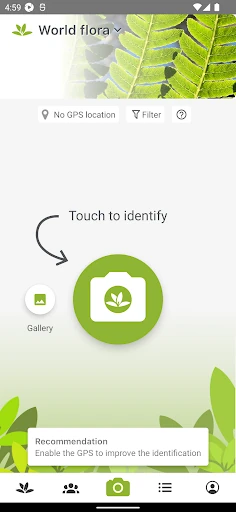
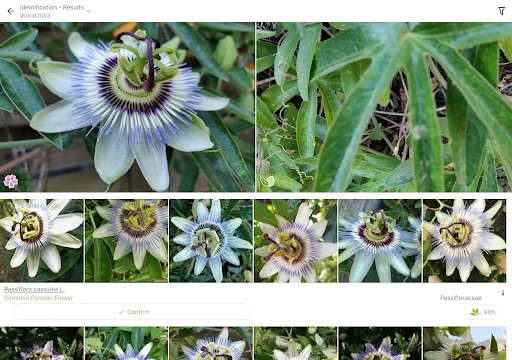
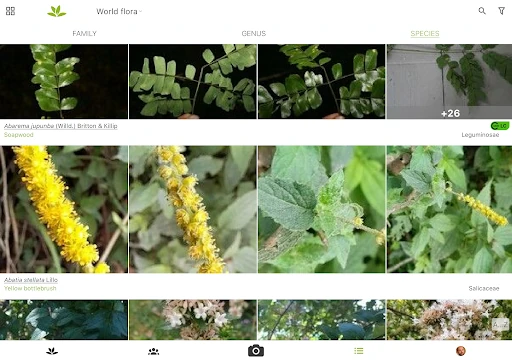
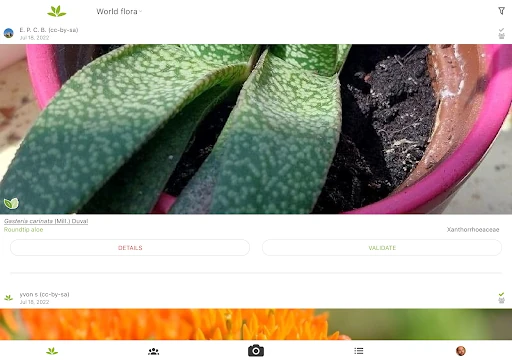
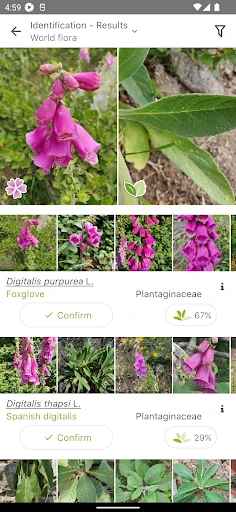
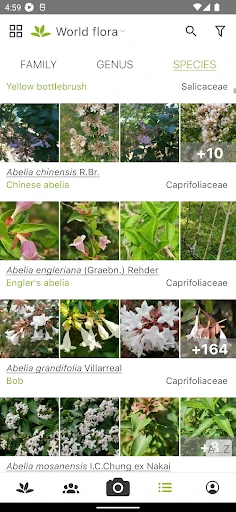
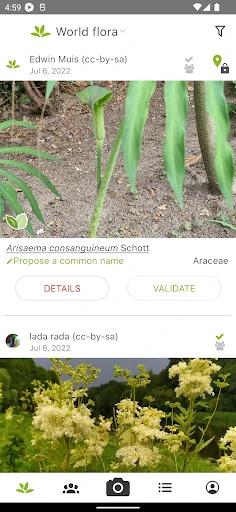
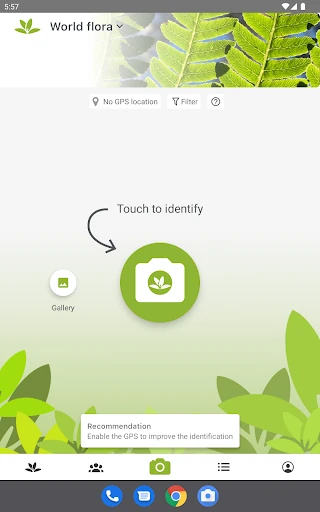
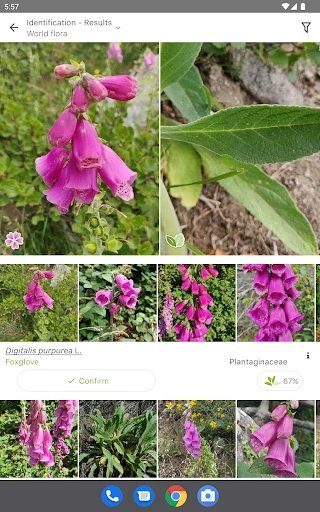
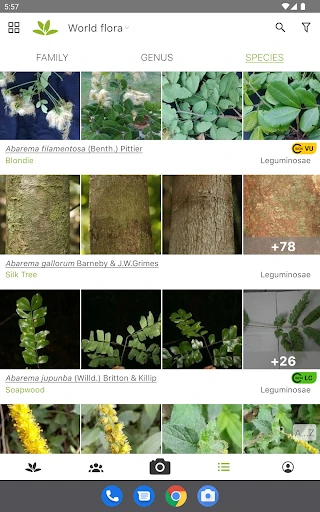
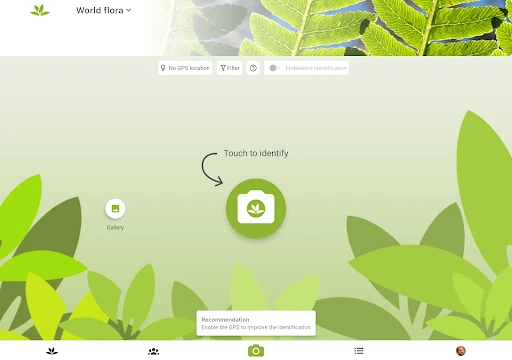
The user interface of PlantNet is designed with a "science-first" aesthetic that prioritizes clarity and utility over flashy visuals. The workflow is highly intuitive: a prominent camera function guides the user to capture specific plant organs—leaves, flowers, or fruit—which significantly improves identification accuracy. For an Education category app, the information hierarchy is well-structured, offering quick results while allowing interested users to dive deeper into taxonomic factsheets. While the UI is functional, the depth of data available can occasionally feel overwhelming for absolute beginners, though the logical layout largely mitigates this.
Future updates would benefit greatly from an offline "light" database for common species, allowing hikers to identify plants in areas without cellular reception. Additionally, integrating Augmented Reality (AR) overlays could help users align their cameras with specific plant parts—like the stem or buds—in real-time to ensure the most diagnostic features are captured. Expanding the gamification elements, such as badges for identifying rare families, could also increase long-term user retention among younger students.
PlantNet Plant Identification is the gold standard for students, hikers, and amateur botanists who seek more than just a name for a flower. It is best suited for users who value scientific accuracy and want to contribute to global biodiversity research. If you are looking for a tool that turns every walk into a classroom and every photograph into a data point for conservation, this is an essential installation. It remains one of the most impactful educational tools in the mobile ecosystem today.