Advertisement
Click to download now, finish the installation quickly, and directly unlock the "all-round experience"
Advertisement
Screenshots
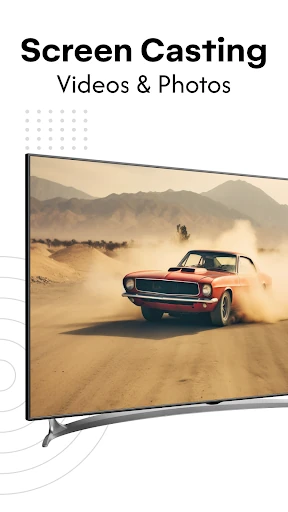
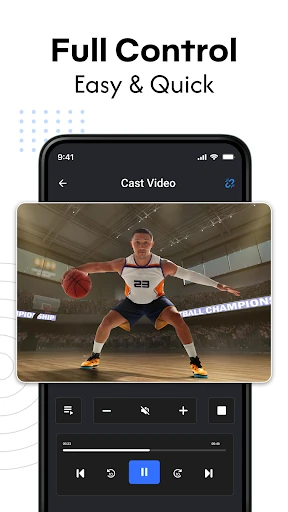
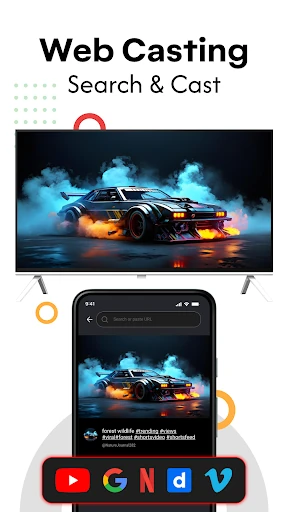
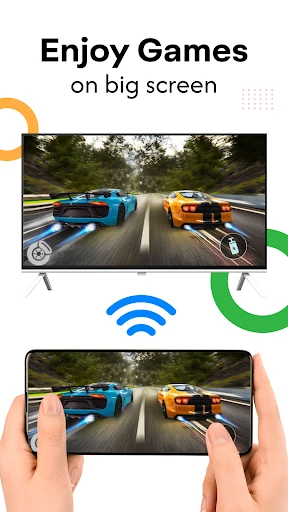
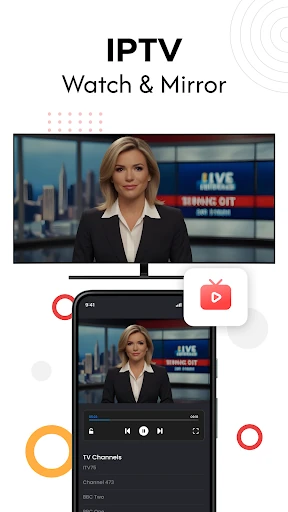
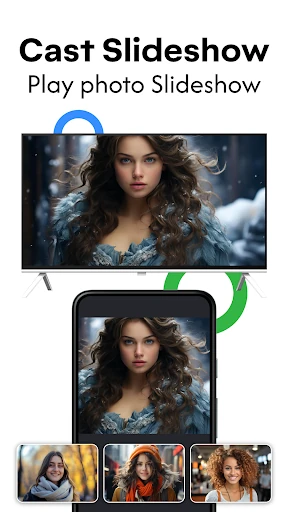
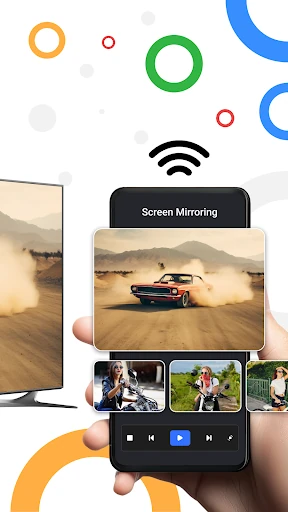
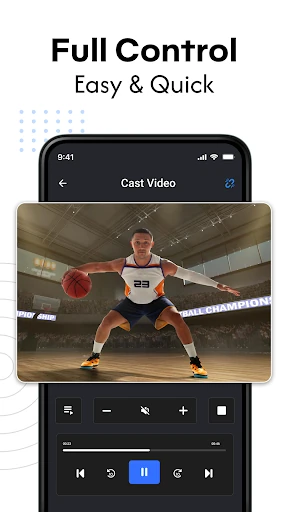
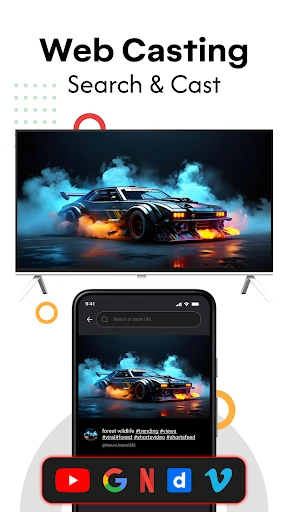
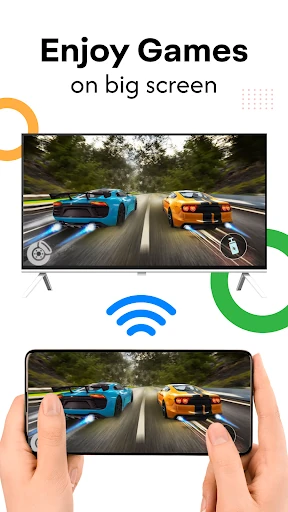
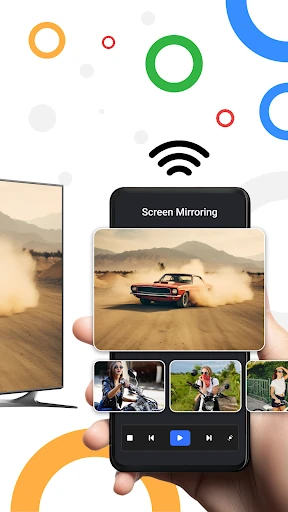
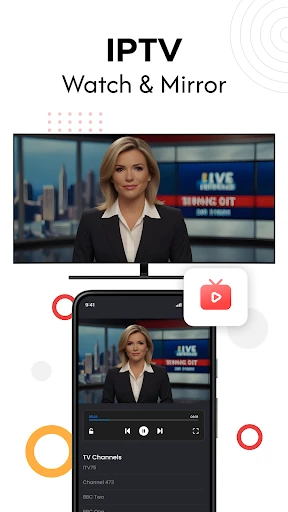
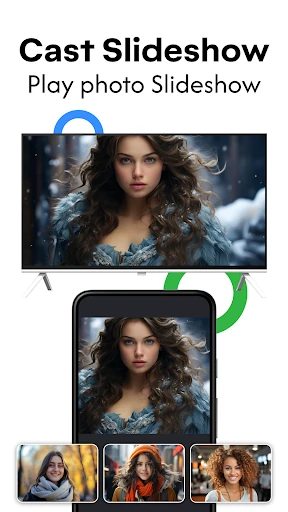
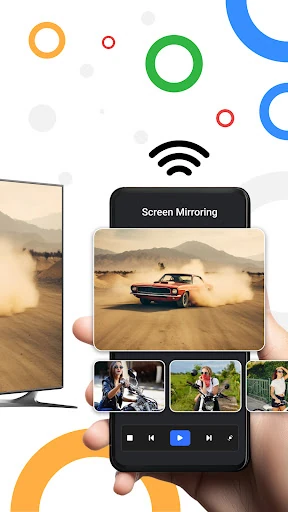
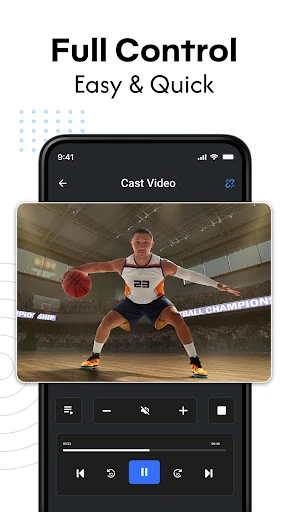
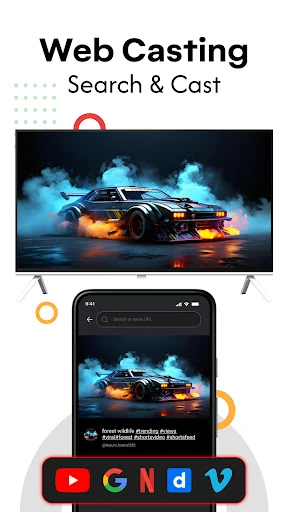
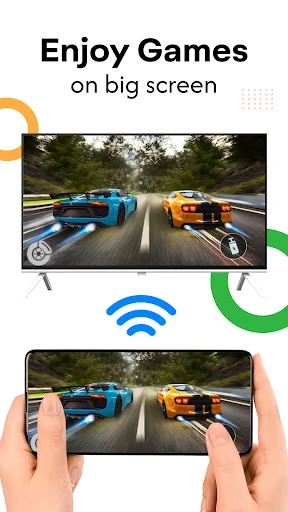
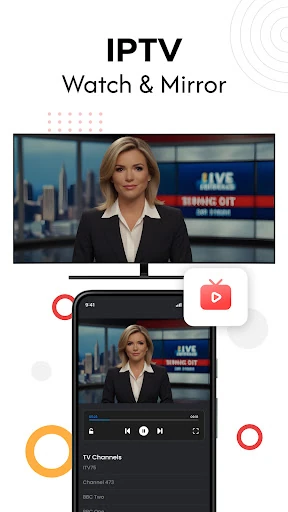
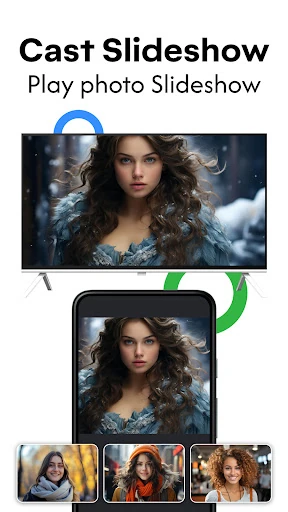
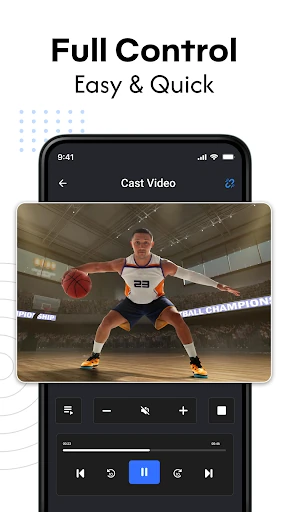
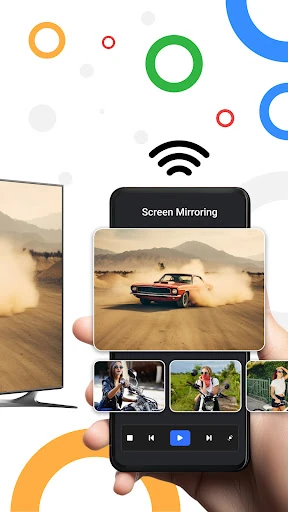
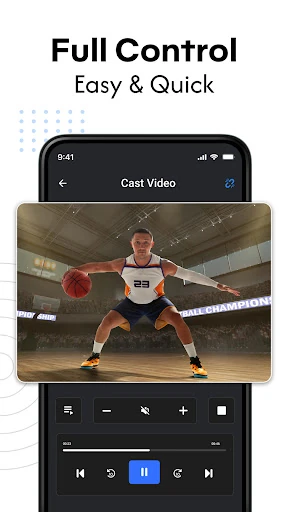
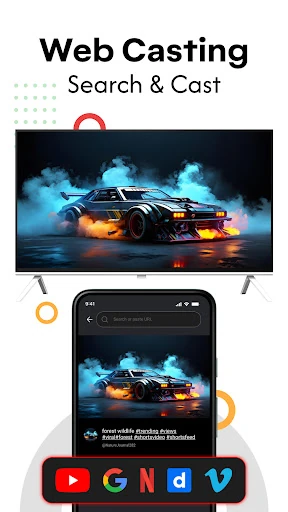
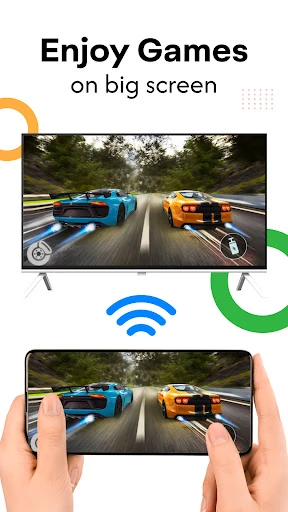
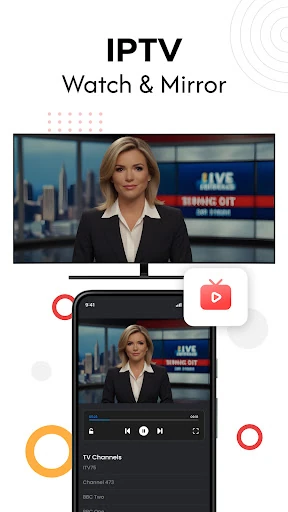
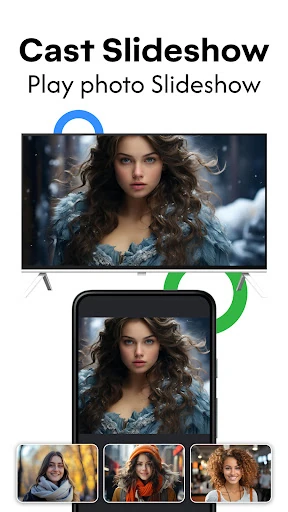
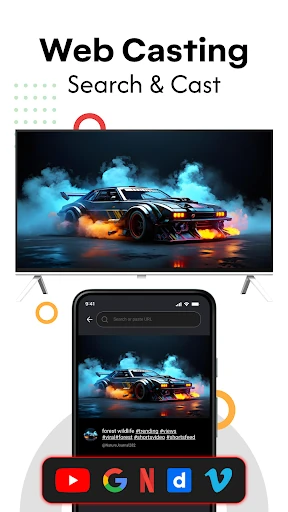
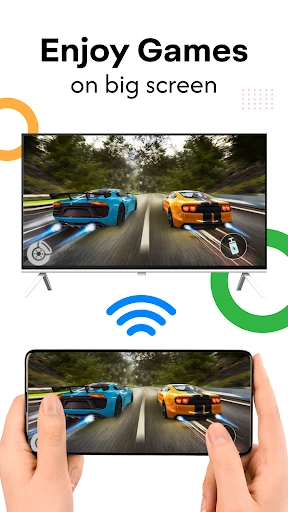
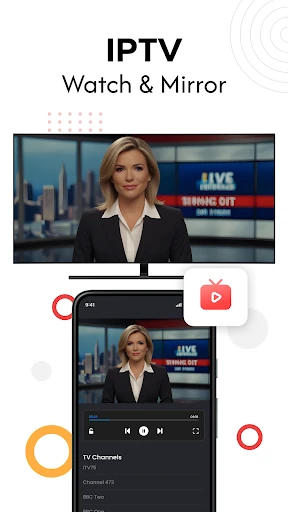
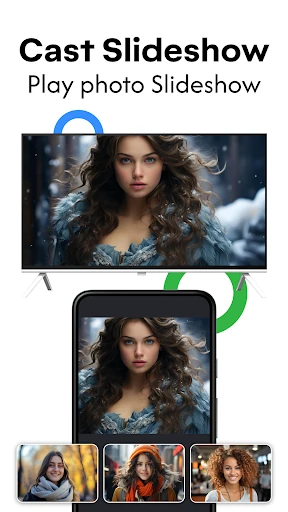
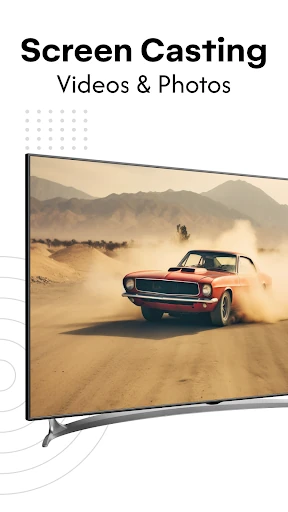
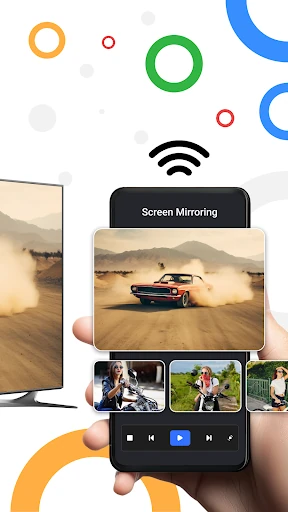
Click to download now, finish the installation quickly, and directly unlock the "all-round experience"
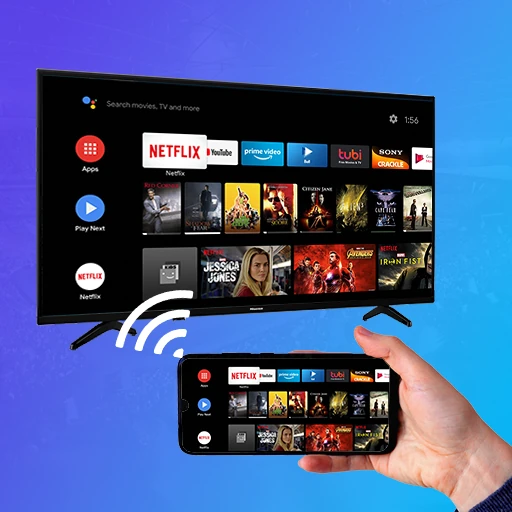
Cast to Tv: Screen Mirroring stands out as a high-utility solution within the Tools landscape, specifically targeting the growing need for seamless cross-device connectivity. In an era where mobile content consumption often feels restricted by small displays, this app offers a robust, wireless bridge to larger screens. As a senior analyst, I find its value proposition lies in its "universal" approach—effectively bypassing the proprietary hardware barriers often set by major TV manufacturers. It provides a professional-grade casting experience that is equally suited for casual entertainment and workplace productivity, ensuring that Android users have a reliable method to project their screens without the clutter of physical cables.
The UI/UX of Cast to Tv: Screen Mirroring is built on the principle of "minimalist efficiency." For a utility tool, the interface is refreshingly uncluttered, guiding the user through a logical three-step workflow: connect, select, and stream. The visual language uses clear iconography and high-contrast buttons, which aligns with modern Material Design standards. From a UX perspective, the app succeeds by minimizing "time-to-value"—users can transition from a small screen to a TV in seconds, which is the primary metric of success for any screen mirroring application.
To truly dominate the category, the developers should consider integrating a dedicated "Remote Control" overlay within the app to manage TV volume or playback directly from the notification shade. Additionally, adding a "Low Latency Mode" specifically for competitive mobile gaming would further differentiate it from standard casting tools. Expanding support for secondary devices like PC monitors via browser-based casting would also increase its utility for professional environments.
Cast to Tv: Screen Mirroring is a top-tier recommendation for families looking to share memories, gamers seeking a larger view, and professionals who need a dependable presentation tool. It effectively democratizes big-screen entertainment by being both lightweight and powerful. If you have a smart TV and an Android device, this is a "must-have" utility that turns your living room into a multimedia hub with zero hardware investment.