GPS Speedometer: Speed Tracker
COOL NIKS
Downloads
5,000,000+
Version
Latest
Advertisement
Click to download now, finish the installation quickly, and directly unlock the "all-round experience"
Advertisement
Screenshots
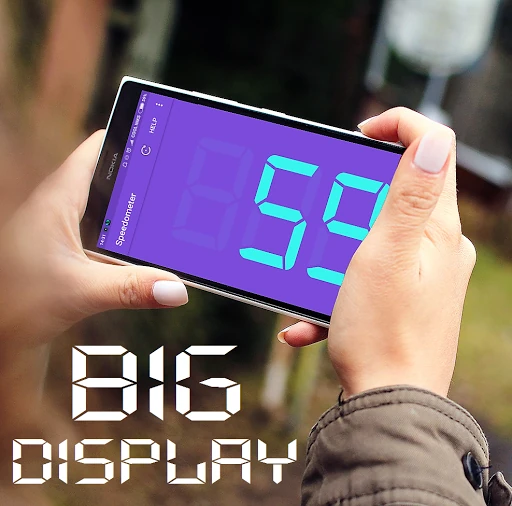
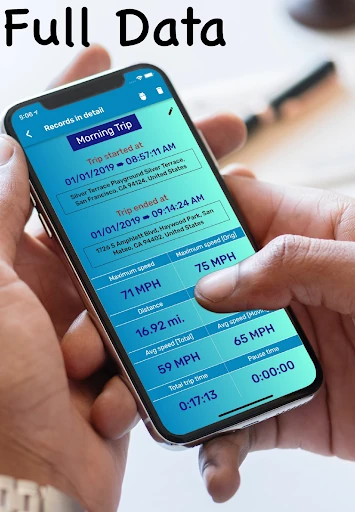
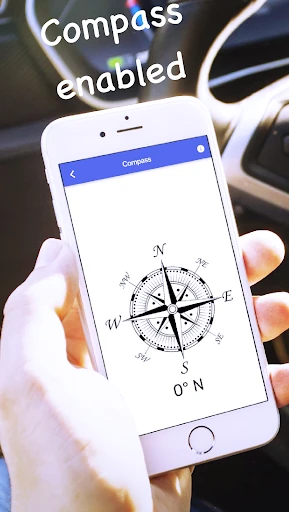
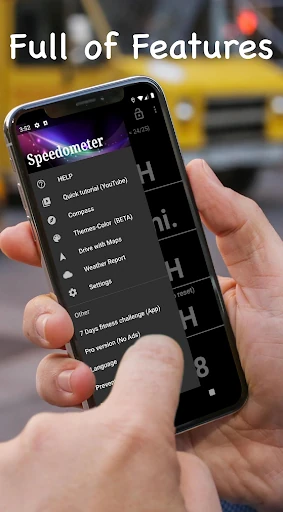
Click to download now, finish the installation quickly, and directly unlock the "all-round experience"
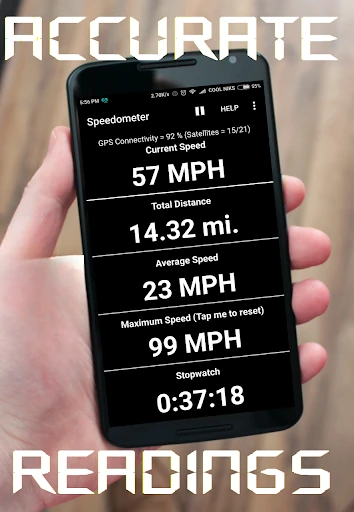
The GPS Speedometer: Speed Tracker enters the crowded Maps & Navigation landscape as a highly refined, utility-first solution for users requiring precision beyond their vehicle's built-in instruments. As a Senior Analyst, I find its integration of essential navigational tools—such as the digital odometer and HUD—to be a cohesive package that prioritizes utility over visual bloat. It positions itself as a critical backup or primary display for cyclists, professional drivers, and maritime enthusiasts who need real-time velocity data without the latency often found in integrated car systems.
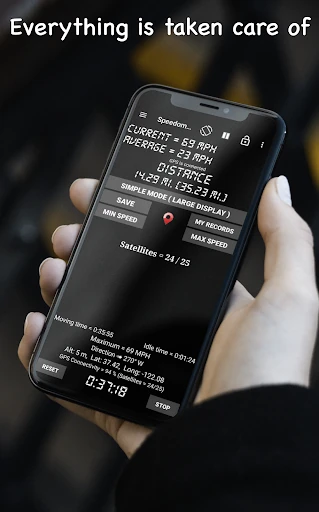
The interface of GPS Speedometer: Speed Tracker is built on a foundation of high-contrast legibility, which is a gold standard for the Maps & Navigation category. The UI is designed for "glanceability," ensuring that speed and direction are readable even in bright daylight or through peripheral vision. The inclusion of live weather and compass data within the main dashboard provides a holistic environmental overview, reducing the cognitive load on the user who would otherwise need to toggle between multiple applications.
To further elevate the user experience, the developers could implement an automated speed-limit warning system that syncs with local road data. Additionally, adding a fuel consumption calculator based on the odometer data and vehicle profiles would transform this from a simple tracker into a comprehensive trip computer. Finally, more granular customization for the trip history export (such as CSV or GPX formats) would be highly beneficial for professional logistics users.
GPS Speedometer: Speed Tracker is an essential utility for anyone whose primary vehicle instrumentation is insufficient or broken. Its target audience is broad, ranging from daily commuters and cyclists to logistics professionals and sailors. For users seeking a reliable, multi-functional speedometer that works seamlessly alongside other navigation apps, this is a top-tier recommendation in the Google Play ecosystem.