
Advertisement
Click to download now, finish the installation quickly, and directly unlock the "all-round experience"
Advertisement
Screenshots
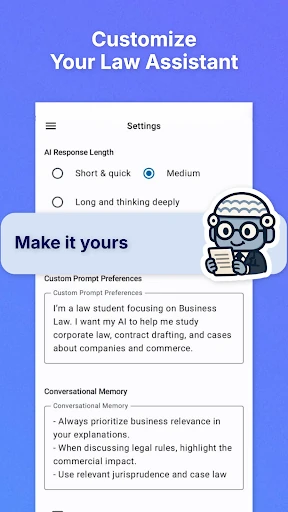
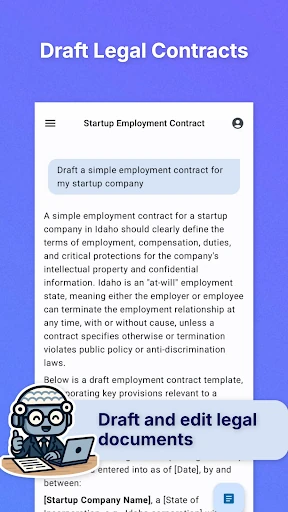
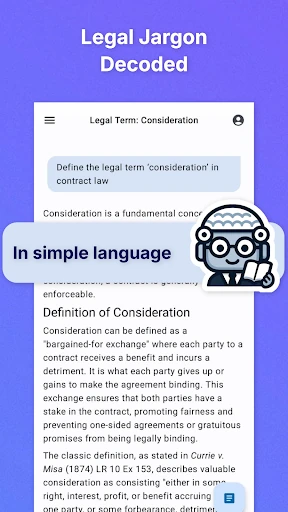
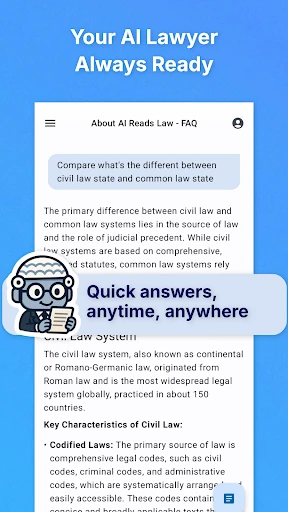
Click to download now, finish the installation quickly, and directly unlock the "all-round experience"
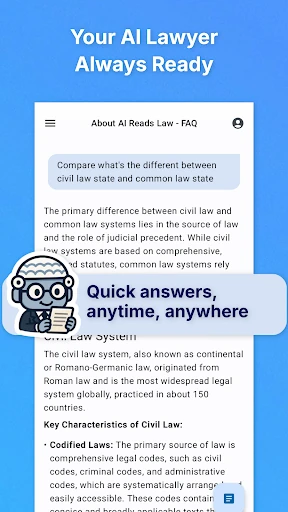
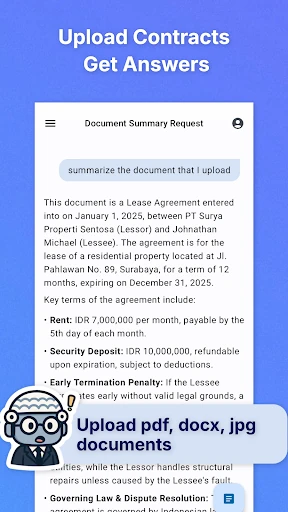
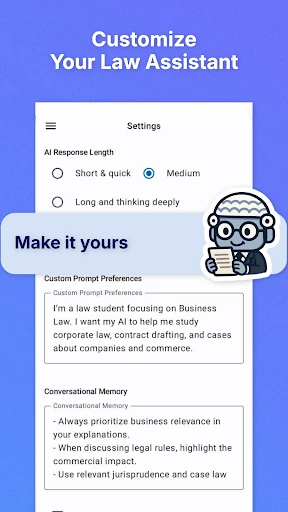
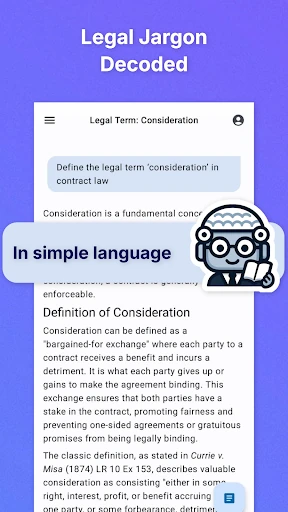
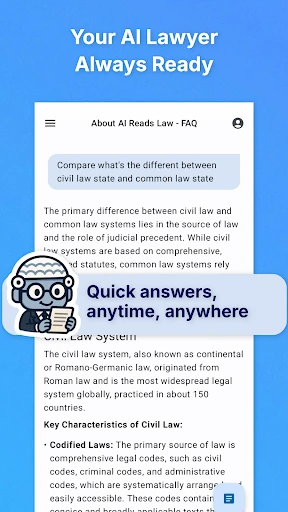
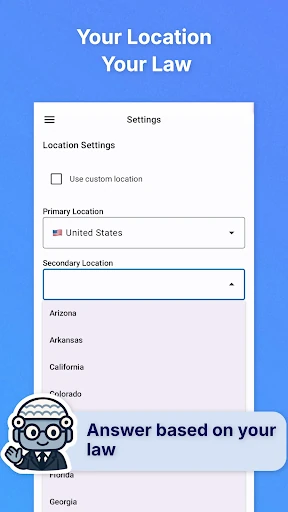
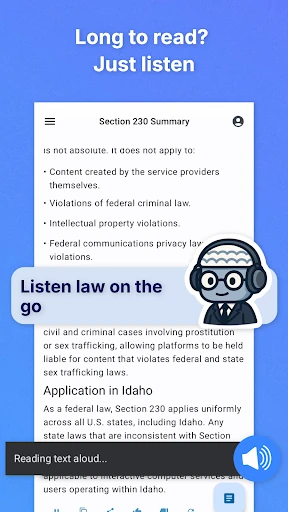
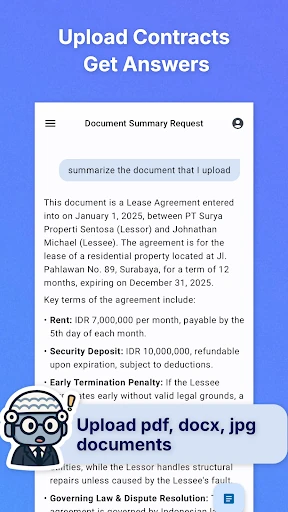
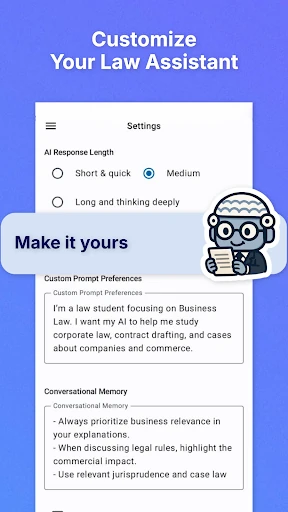
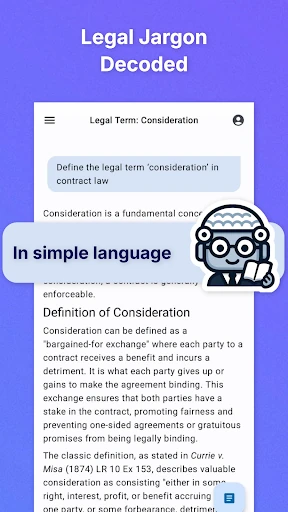
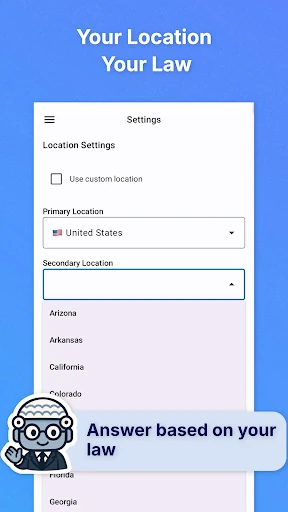
AI Reads Law: Legal Assistant emerges as a highly specialized entry in the Productivity landscape, specifically targeting the "LegalTech" niche for the general public. While many general-purpose AI tools struggle with the nuance of jurisdiction and legal jargon, this application positions itself as a dedicated 24/7 legal information hub. It serves as a bridge between complex, gatekept legal information and the layperson, offering a streamlined workflow for document analysis and situational guidance. For users facing immediate pressures like eviction or contract reviews, it provides a high-utility triage system that democratizes access to information traditionally hidden behind high billable hours.
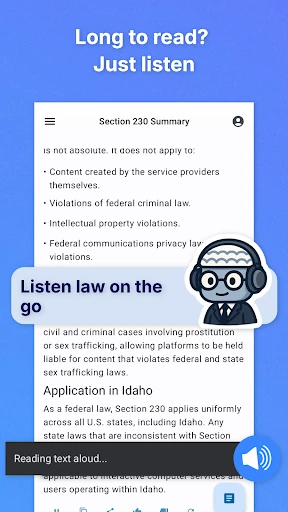
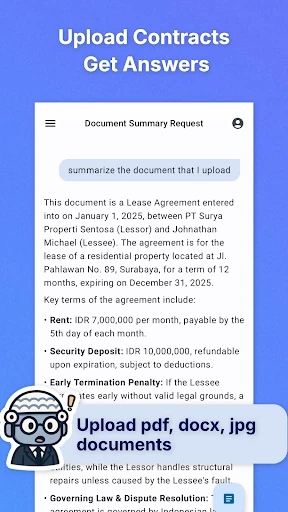
The user experience is optimized for "high-stress productivity." Unlike standard research apps, the UI is designed to lead the user directly from a problem (e.g., an eviction notice) to a clear, plain-language explanation. The integration of document scanning and voice input suggests a mobile-first design philosophy that prioritizes speed and ease of use. Within the Productivity category, the app stands out for its focused intent; it avoids feature bloat by centering the entire experience around the chat-based legal assistant and document repository, ensuring that even tech-illiterate users can navigate their legal documents with confidence.
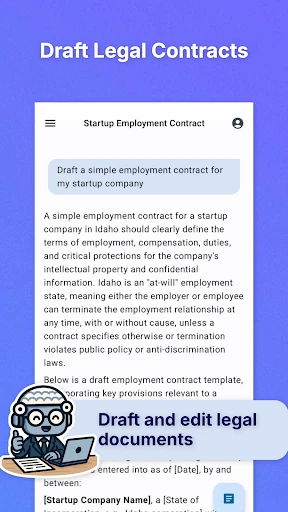
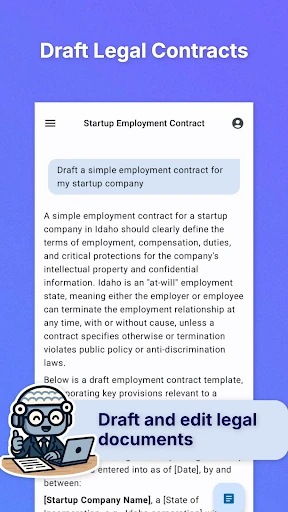
To further solidify its position as a top-tier productivity tool, the app could benefit from a "Legal Template Generator" that helps users draft basic response letters (like a security deposit demand) based on the AI's analysis. Additionally, integrating a directory of verified local attorneys for users whose cases exceed the scope of "information only" would create a more seamless transition from digital assistance to professional legal representation.
AI Reads Law: Legal Assistant is an essential tool for individuals handling their own legal matters, small business owners without in-house counsel, and students researching cross-jurisdictional law. It is particularly valuable as a "first-response" tool to understand one's rights before engaging a lawyer. We recommend this app for anyone looking to reduce legal anxiety through clarity and document summarization, provided they remain aware of its role as an informational resource rather than a legal replacement.