Mezquite Diatonic Accordion
Mecatronium Apps
Downloads
10,000,000+
Version
Latest
Advertisement
Click to download now, finish the installation quickly, and directly unlock the "all-round experience"
Advertisement
Screenshots
Click to download now, finish the installation quickly, and directly unlock the "all-round experience"
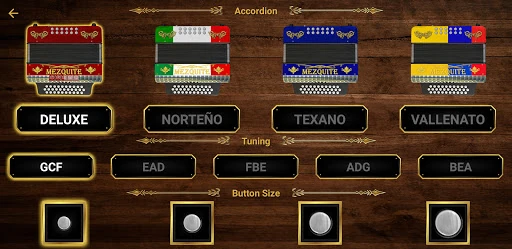
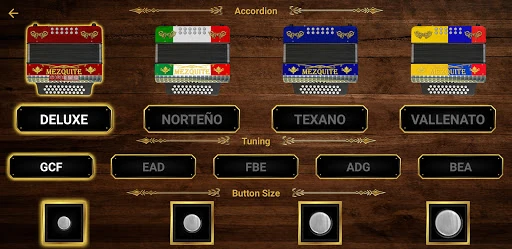
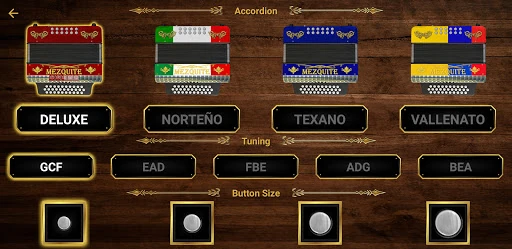
Mezquite Diatonic Accordion stands out as a highly specialized educational tool within the Music & Audio landscape, specifically tailored for the niche but vibrant world of diatonic button accordion enthusiasts. Unlike generic synthesizer apps, Mezquite prioritizes authenticity and pedagogical value, offering a high-fidelity simulation that bridges the gap between digital learning and physical practice. It serves as a comprehensive portable trainer for genres like Norteño, Texano, and Vallenato, providing a professional-grade experience for free.
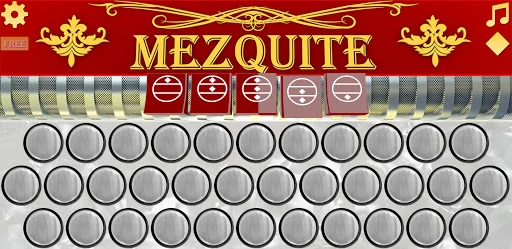
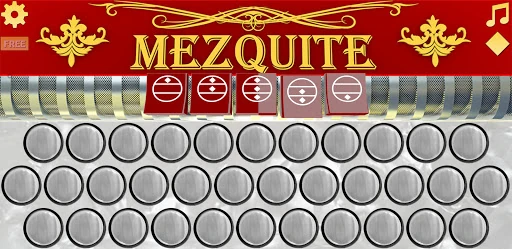
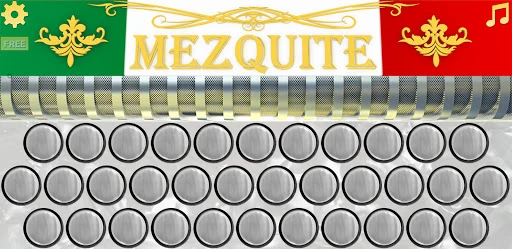
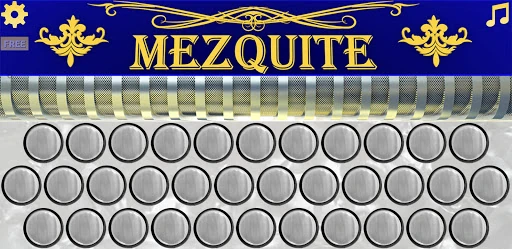
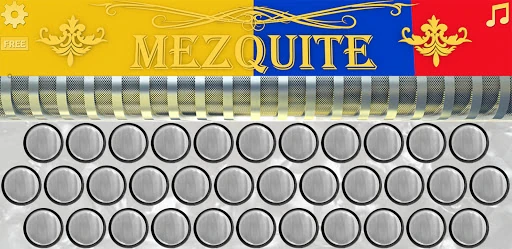
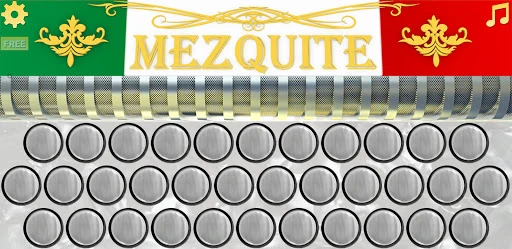
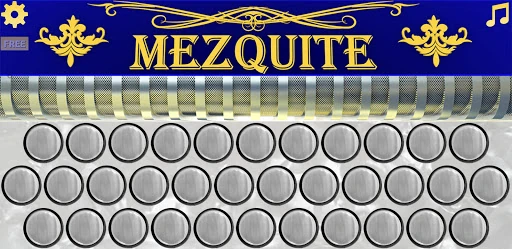
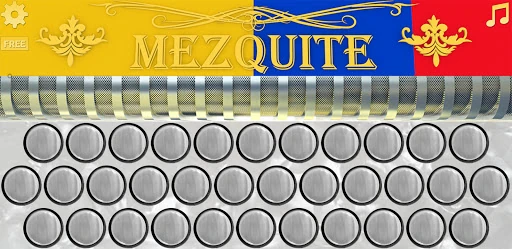
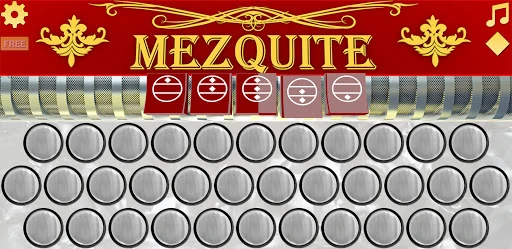
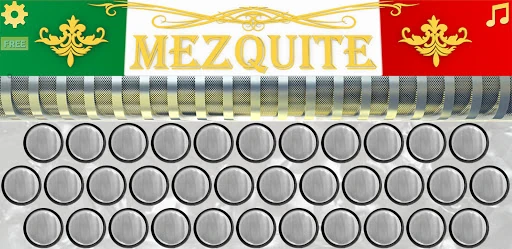
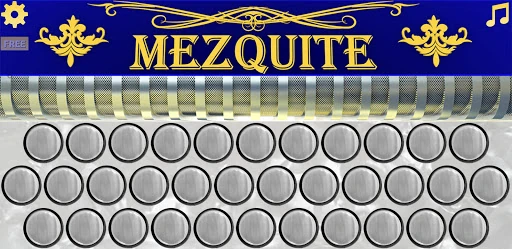
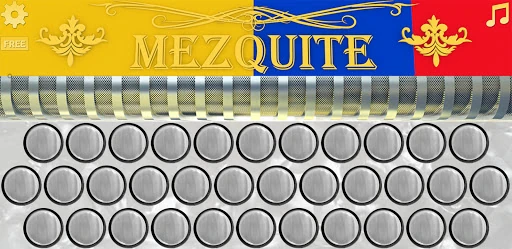
The user interface of Mezquite Diatonic Accordion is designed with a focus on tactile simulation and clarity. By mirroring a 34-button layout, the app provides a realistic ergonomic experience that translates well to a physical accordion. The responsiveness is a highlight; in the Music & Audio category, latency can break the experience, but Mezquite maintains a "super-responsive" feel that mimics the immediate feedback of bellows and reeds. The visual aesthetics are clean and professional, avoiding the cluttered "toy-like" appearance of many free instruments, which enhances the overall learning environment.
To further solidify its position as the leading accordion app, the developer should prioritize the release of the "All Scales" module to provide a complete theoretical foundation. Additionally, adding MIDI support would allow users to connect the app to external hardware or DAWs. Implementing a recording feature would also be a significant upgrade, allowing students to archive their practice sessions and track their technical progress over time.
Mezquite Diatonic Accordion is the definitive mobile resource for aspiring accordionists, particularly those interested in Latin and regional folk genres. Its combination of authentic sound, responsive playability, and structured educational tools makes it an essential download for beginners who cannot yet afford a physical instrument, as well as intermediate players looking to practice on the go. It is a rare example of a high-quality, specialized instrument simulator that remains accessible and free to the public.